WHAT IT ACTUALLY
SOUNDS LIKE
No overselling. Here is the real frequency range, the real noise floor, and the handful of changes that make the biggest audible difference.
Set your expectations
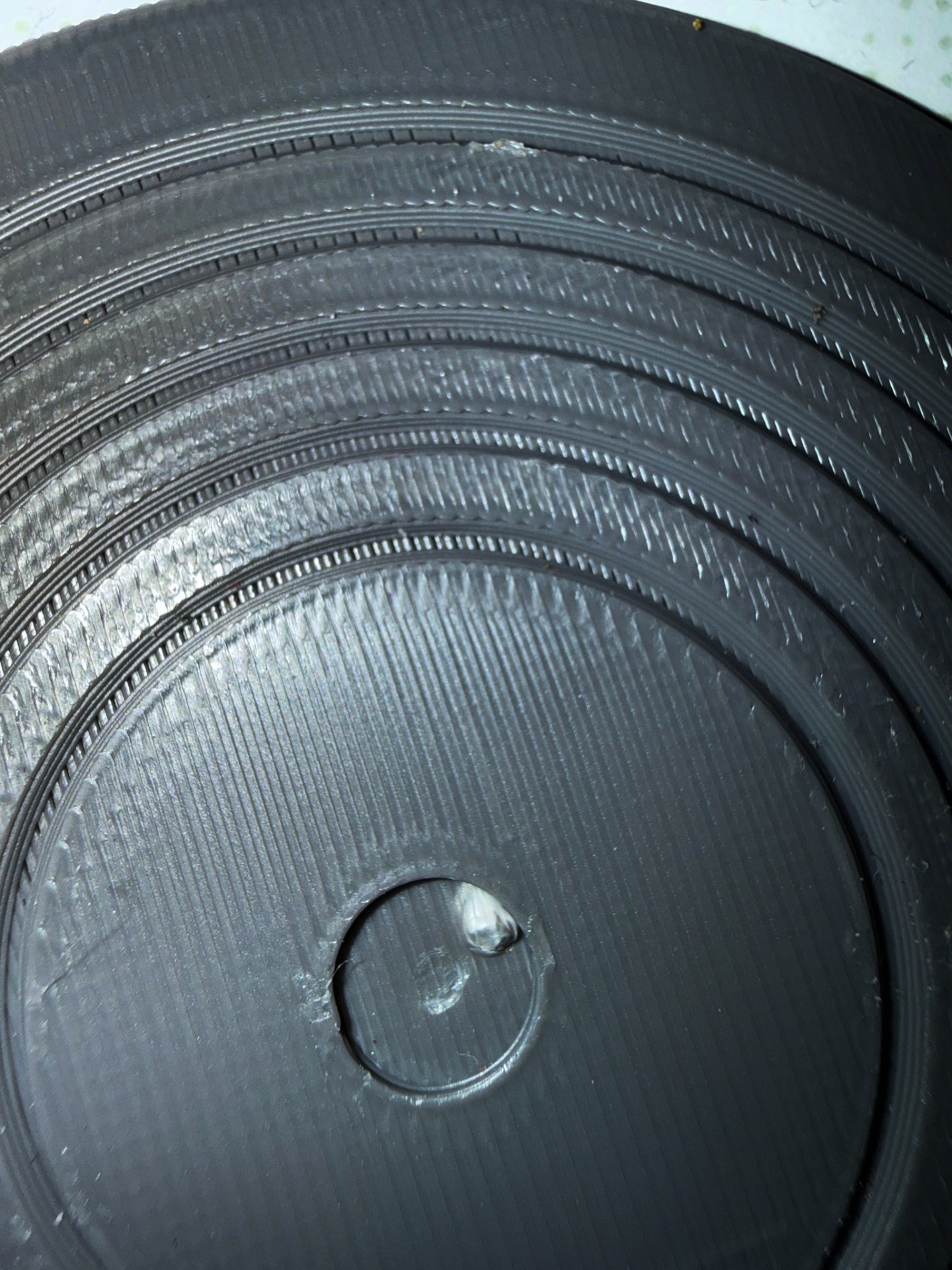
A printed disc plays back roughly 350Hz to 5kHz in mono, against vinyl's 20Hz–20kHz in stereo. You lose sub-bass and air entirely, and you gain a constant textured hiss. The result is closer to a 1920s shellac transfer than a modern pressing — and for most people that is exactly the appeal.
MEASURED REALITY
Frequency range
350Hz–5kHz
Channels
Mono
Useful plays
Tens, not hundreds
HOW TO GET CLEANER PLAYBACK
- Master for the medium: mono, high-pass 300Hz, low-pass 5kHz, gentle limiting. This is the single biggest gain.
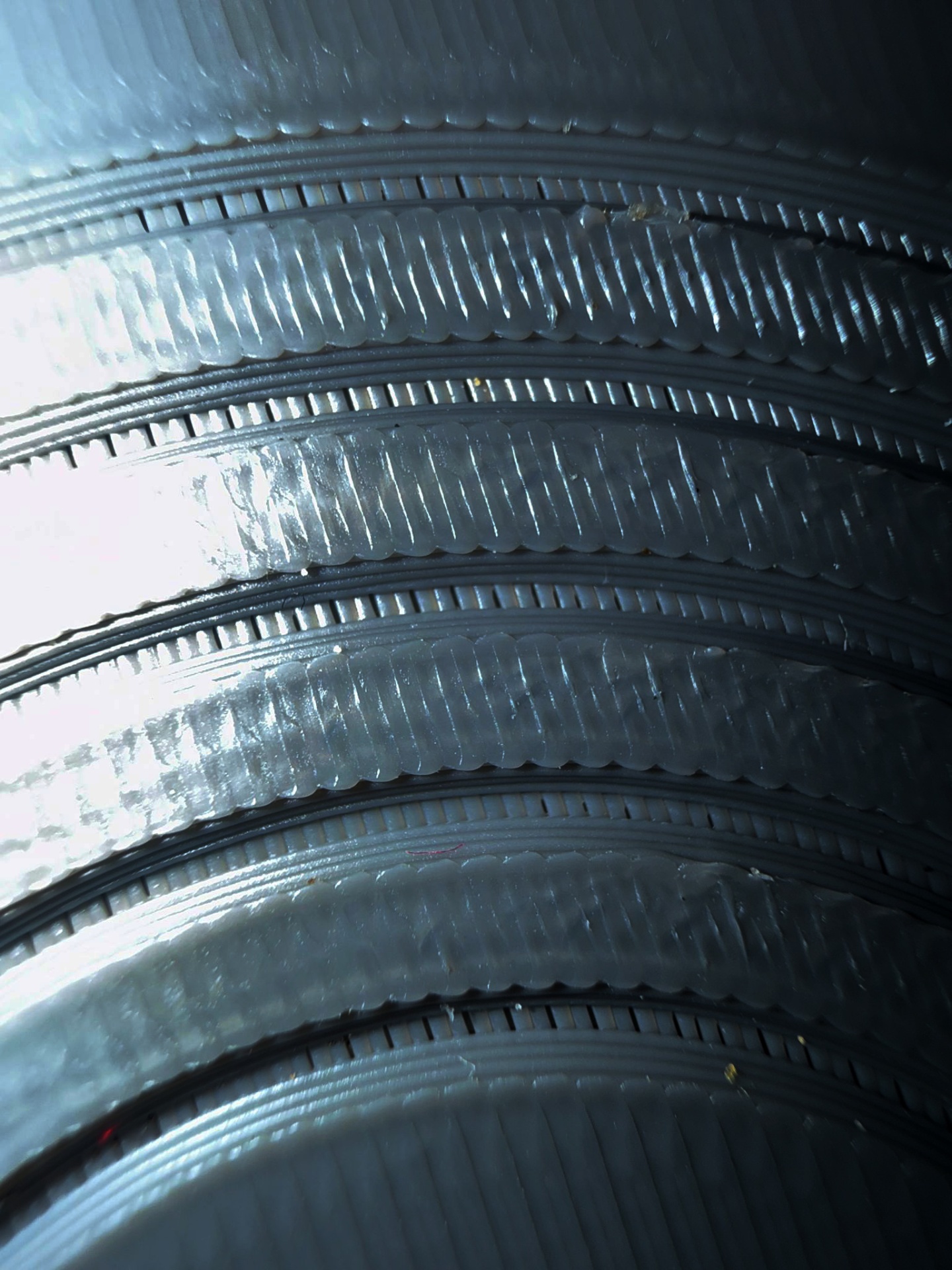
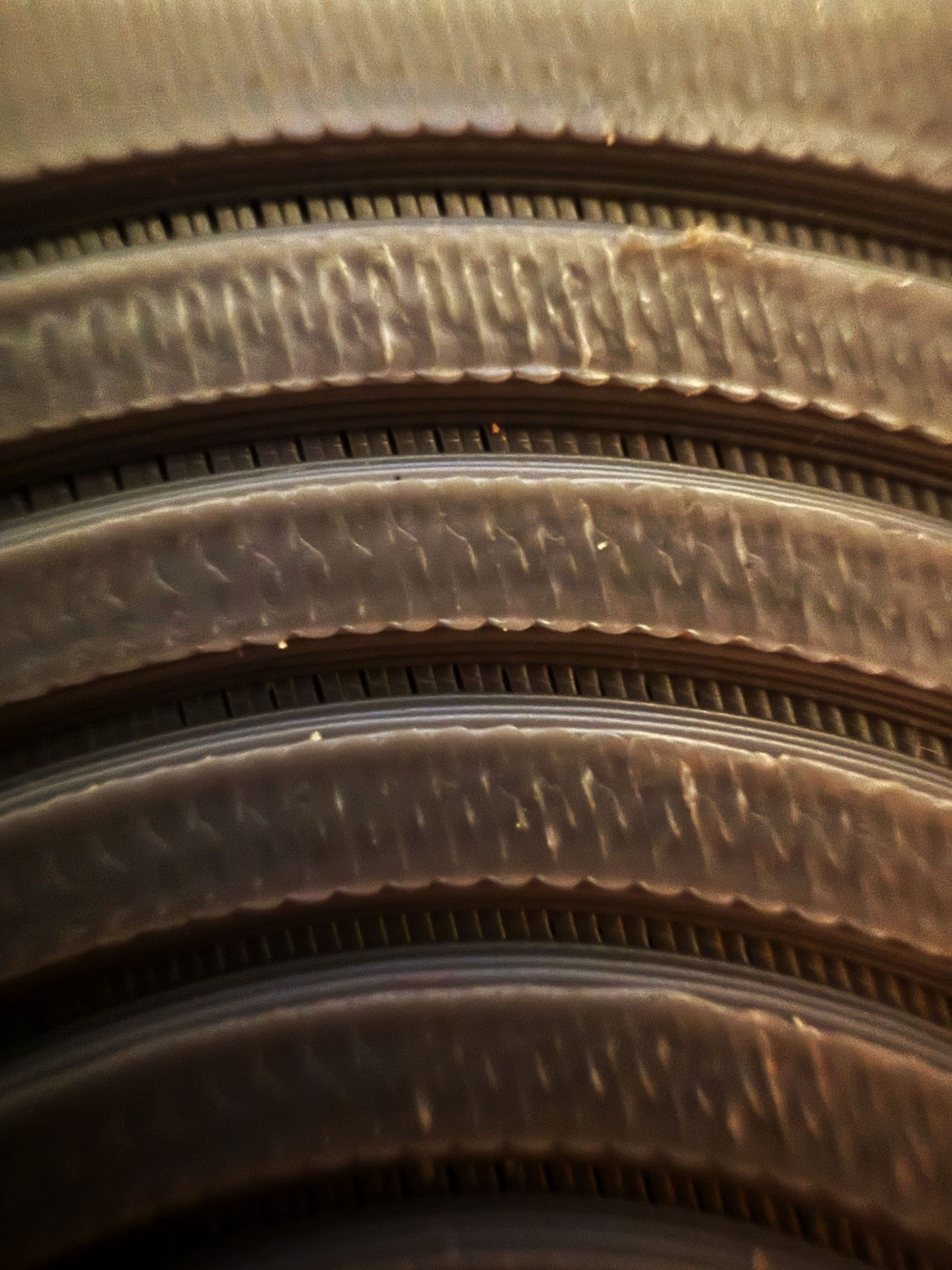
- Drop layer height and slow the outer wall — most surface noise is print texture, not the format.
- Widen groove pitch and accept less runtime per side; crowded grooves cross-talk and skip.
- Clean the groove properly before first play: soft brush, then blow out debris.
- Play at 45 RPM rather than 33 — more groove length per second means more detail.
- Use a conical stylus at standard tracking force; fine elliptical tips ride the print texture harder.
COMMON QUESTIONS
Do 3D-printed records sound good?
They sound like an early phonograph: recognisable, mid-focused and noisy. Roughly 350Hz to 5kHz, with an audible noise floor. Charming rather than hi-fi — and that is the honest framing.
Why is there so much surface noise?
Every layer line and print artefact in the groove wall is read by the stylus as sound. Lower layer heights, slower outer walls and thorough cleaning are the three biggest reductions available.
Can 3D-printed records be stereo?
Not practically. Stereo needs vertical and lateral modulation at a precision current printers cannot hold, so printed discs are cut mono.
Do printed records wear out?
Yes, faster than vinyl. Expect audible degradation within tens of plays. Keep the disc clean and use a conical stylus at standard tracking force to slow it down.
Related: printer settings for records and resin vs PLA.
Skip the groove maths
Kräftsound turns a track into a print-ready 3MF disc file — groove geometry, printer profiles and licensing handled for you.